


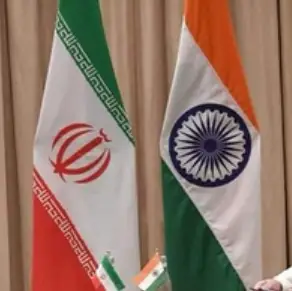
A groundbreaking opposition blueprint from Washington envisions India’s role in Iran’s post-sanctions renaissance, headlining Chabahar Port reactivation and oil export revival. The Iran Prosperity Project’s 178-page transition manual charts a six-month stabilization sprint after regime change.
Positioning India as a strategic economic lifeline, it seeks to lure international capital and revive trade arteries choked by isolation. Chabahar Port takes center stage, with plans to fast-track India-led upgrades into a powerhouse connector spanning Gulf waters to Central Asian heartlands.
For New Delhi, the port is prized for circumventing Pakistan en route to Afghanistan and Eurasia. Resuming crude supplies taps into India’s energy thirst, echoing pre-sanction glory days.
Iran aspires to be the Middle East’s gateway to South and Central Asia, fostering balanced ties with giants like China and Russia through transparent agreements. Neighbor Pakistan features in security collaborations against terrorism and border threats.
Crown Prince Reza Pahlavi, in U.S. exile since 1978 as son of the last Shah, has forged this plan with intellectuals and diaspora input, framing it as a blueprint for democracy, stability, and renewal.
Geography favors Iran as a trade superhighway. India’s investments exceeding 120 million rupees in Chabahar persist amid challenges from bans and regional flux. This visionary document signals a transformative era, with India key to unlocking Iran’s economic potential.