


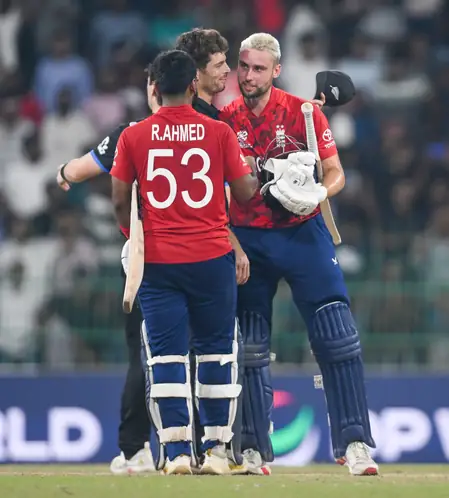
The curtain fell on T20 World Cup 2026 in India, but for some squads, the real challenge was getting back. Middle East skies, battered by Iran-Israel airstrikes, halted routes, trapping West Indies (last game: India, March 1) and South Africa (semifinal loss to New Zealand, March 4). England, beaten by India on March 5, however, navigated the mess and returned promptly, leading to bias accusations leveled at the ICC.
Michael Vaughan, once England’s captain, didn’t hold back: ‘Uniform treatment is non-negotiable. ICC can’t play favorites with top teams.’ His words captured the sentiment rippling through cricket circles.
In a detailed rebuttal, the ICC stressed that travel priorities are dictated by objective criteria – airspace access, aircraft permissions, visas, and security clearances. ‘No team receives undue advantage,’ they affirmed, aiming to quell the storm.
West Indies head coach Darren Sammy’s poignant X post, ‘I just want to go home,’ went viral, symbolizing the human side of the delay. With conflicts unabated, the focus shifts to how swiftly the ICC can reunite players with their families, preserving fairness in the face of adversity.