


To counter escalating fuel costs and dwindling supplies, Australia has authorized dirtier, high-sulfur fuel for a limited 60-day window, eyeing 100 million liters of additional monthly supply. This pragmatic policy from Canberra prioritizes availability over perfection in a time of global uncertainty.
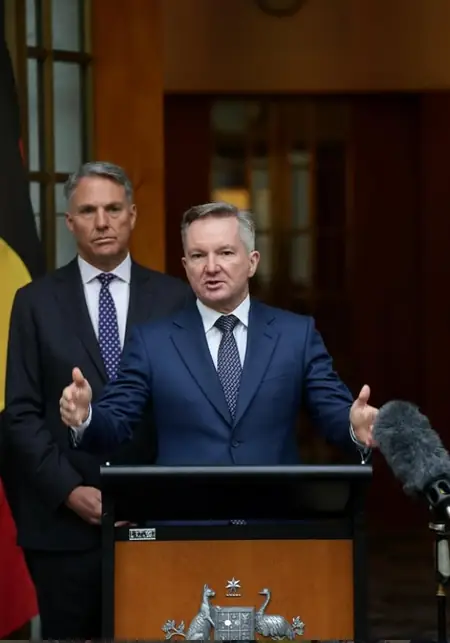
Details emerged in parliament via Energy Minister Chris Bowen, who outlined the sulfur threshold easing. Long upheld for cleaner air and durable engines, these rules now bend to enable faster refining and wider distribution, spurred by supply disruptions from the US-Israel-Iran flare-up.
Refineries gain flexibility to skip intensive cleaning, ramping up output to meet soaring demand. The anticipated surge—equivalent to 10 crore liters per month—targets relief across commuting, logistics, and manufacturing, with hopes of tempering price volatility at the forecourt.
Temporary as it is, the measure includes vigilant tracking of pollution and health metrics. Standards revert fully post-period, safeguarding long-term goals. This episode lays bare the tensions in energy policy: immediate resilience versus enduring green ideals.
Geopolitics underscores the urgency, as oil market tremors hit home. Australia’s fuel fix exemplifies adaptive governance, potentially averting shortages while fueling discussions on sustainable alternatives in turbulent eras.