


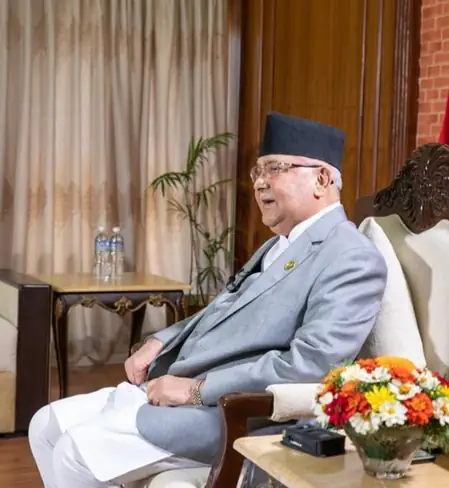
Former Nepalese Premier K.P. Sharma Oli has publicly conceded defeat after catastrophic results in the March 5 House of Representatives elections. His CPN-UML party’s third-place finish heralds the dawn of Rastriya Swatantra Party (RSP) dominance in the nation’s fractious politics.
Oli’s personal humiliation peaked in Jhapa-5 constituency, UML’s eastern stronghold, where RSP’s Balen Shah—former Kathmandu mayor and PM aspirant—prevailed by 68,348 votes. This victory netted Shah Nepal’s record parliamentary vote total, relegating Oli to 18,734—a stark repudiation.
Across the 275-seat chamber, UML netted nine FPTP seats from 165, with 110 via proportionality. RSP’s blitz—125 FPTP seats under chairman Rabi Lamichhane—paired with proportional leads buried UML, Nepali Congress, and communist rivals.
Via Facebook, Oli declared: ‘We fell short of expectations. Democracy demands respect for the people’s choice, which I do wholeheartedly. Our commitment to the people stands firm.’ UML eyes recovery through sustained engagement despite adversity.
The polls stemmed from crisis: 2025’s Gen-Z protests morphed into riots, killing 77 and ravaging assets worth over 84 billion rupees, toppling Oli. Interim leader Sushila Karki’s snap vote elevated RSP.
RSP’s surge, fueled by anti-establishment fervor, redefines Nepal’s future. As coalitions form, Oli’s poise offers a democratic beacon, urging reflection among the old guard as fresh voices demand accountability and renewal.