


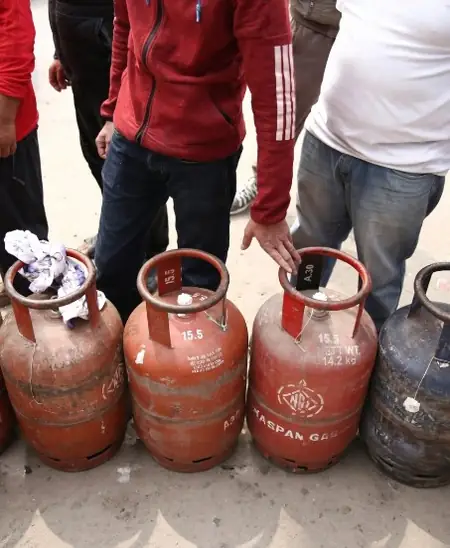
Nepal activates emergency LPG rationing as Middle East flare-ups threaten global energy flows. From Friday, the Nepal Oil Corporation will dispense just half capacity—7.1 kg into 14.2 kg cylinders—to ration scarce resources and forestall blackouts in kitchens nationwide.
The decision, greenlit in a Thursday board meeting, mirrors responses to past deficits in 2015 and 2020. ‘Customer shortages fueled urgent reviews,’ Deputy Director Manoj Kumar Thakur explained, extending curbs to homes and hospitality sectors.
Refill sites buzz with crowds, lines stretching amid widespread anxiety despite official stockpiles. Imports from India continue seamlessly via vulnerable overland paths, but officials prioritize stretching supplies through prudent use.
This isn’t panic-driven; it’s calculated risk management against potential supply shocks. Geopolitical hotspots like the Middle East directly impact petroleum pricing and availability, hitting import-reliant Nepal hard.
Public calm is crucial, warns the government, as frenzy could precipitate the very crisis it fears. Rationing fosters discipline, echoing successful precedents. Beyond immediate relief, it ignites discourse on energy security—diversifying sources, boosting storage, and curbing waste for a more resilient future.