


Fresh off a US Supreme Court smackdown of President Trump’s tariff regime, the Commerce and Industry Ministry in New Delhi signaled close scrutiny of unfolding events. Trump’s immediate counterpunch—a new 10% duty—has put global partners on alert.
The court’s Friday 6-3 opinion dismantled tariffs enacted without congressional nod, citing constitutional overreach via 1977 laws. Authority over duties rests solely with lawmakers, the justices affirmed.
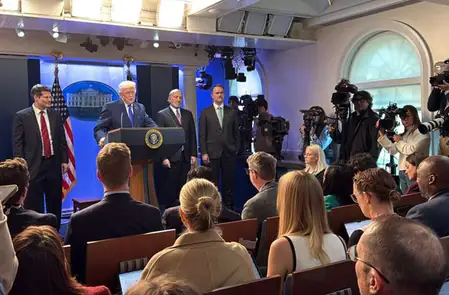
In a presser soon after, Trump invoked 1974 Trade Act provisions for a 150-day 10% surcharge on imports from February 24, framed as a payments crisis remedy. Exemptions protect supply chains for minerals, energy, pharma, autos, and more.
Official details exclude items vital to industry: strategic metals, fuels, resources, ag products, drugs, tech components, vehicles. Trump simultaneously greenlit Section 301 reviews of discriminatory overseas barriers to US trade.
India’s ministry responded succinctly: noting the ruling, press conference, and US steps, while probing impacts. This reflects strategic caution in a web of transatlantic trade dynamics.
Stakeholders from Mumbai to Washington eye negotiations ahead. New Delhi’s study may pave the way for calibrated responses, safeguarding interests amid presidential ingenuity and judicial checks.