


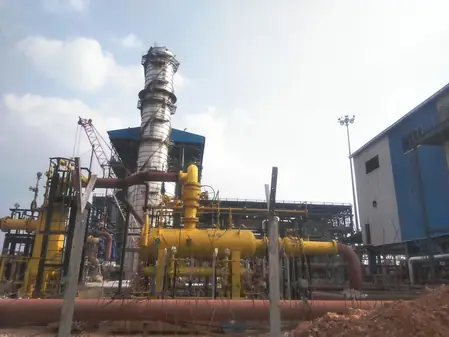
Karnataka’s energy landscape shifted dramatically Thursday as GAIL terminated gas flow to the Yelahanka 370 MW power plant in Bengaluru from 6 AM. This KPCL-operated outpost, unique in the state for gas-fired generation and vital for urban power, confronts an existential fuel halt amid pan-India shortages from West Asian strife.
Ministry insiders attribute the decision to the Israel-Iran flare-up, which has cascaded into rationed supplies. Tuesday’s gazette mandates a clear pecking order: peak priority for home PNG/LPG (100%), CNG transport and pipeline ops, then fertilizers (70%), industries like tea (80%), and city distributors (80%). Power sector? Dead last.
Active since December and tailored for Bengaluru, Yelahanka’s downtime threatens the state’s 35.5 crore unit daily appetite. Mitigation draws from thermal-hydro-renewable blends, central shares, and exchanges with northern peers like Punjab and Haryana. Yet, prolonged deprivation risks subtle supply strains.
Framed by the Natural Gas Supply Regulation Order up to 2026, these measures shield essentials while power adapts. The broader fallout includes LPG curbs, exposing India’s import dependence. Karnataka’s multi-source strategy buys time, but the plant’s silence amplifies calls for diversified energy resilience.
As global markets wobble, this incident crystallizes the tightrope of geopolitics and power. Restoration hinges on de-escalation; meanwhile, vigilant grid management keeps outages at bay—for now.