


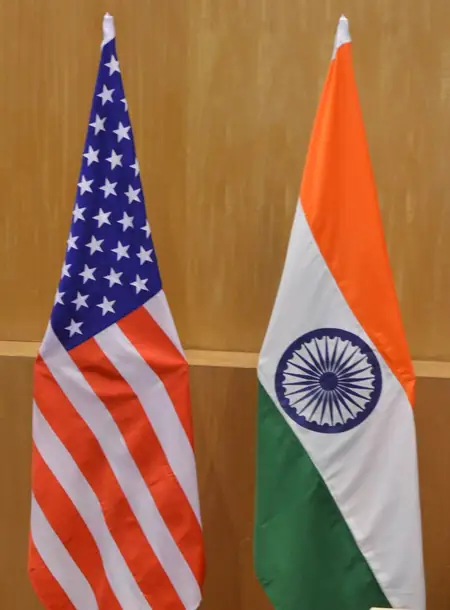
India’s exporters are eyeing relief as a US trade deal could trim effective tariffs to 12-13 percent, per Bank of America Global Research. This assumes 18 percent reciprocal tariffs, setting the stage for enhanced market penetration.
Electronics lead the charge, forming 40-45 percent of exports with no base duties. Blended with Section 232 tariffs, rates are anticipated at just over 12 percent, unlocking new growth avenues.
Section 232 remains a hurdle, with 25 percent tariffs possibly enduring on automobiles, components, iron, steel, and aluminum due to ambiguities in the deal’s opening phase. Strategic adaptations will be crucial.
High-labor industries like textiles and jewelry are set for windfalls, diversifying India’s export strengths. The $500 billion five-year US purchase commitment—$100 billion annually—aligns seamlessly with India’s $750 billion import volume, where America holds a 6 percent slice.
Upping US energy imports in lieu of Russian oil will have limited fallout on the current account. With services exports gaining traction, a surplus is forecasted by end-2025, bolstering India’s balance of payments.
Ultimately, this pact heralds a transformative shift, mitigating tariff pains while amplifying trade volumes for long-term gains.