


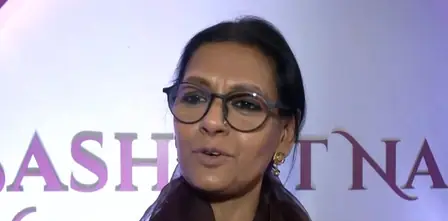
In Delhi, during Chintan Research Foundation’s ‘Empowered Women, Developed India’ program, Nandita Das, the versatile actress-director, delivered compelling views on art’s disruptive force. Her IANS interview candidly explored cinema’s edge, censorship threats, backlash to bold stances, and solidarity with oppressed women worldwide.
Asked about embracing discomfort in filmmaking, Das was unequivocal. ‘Beyond amusement, cinema should disrupt, dismantle prejudices, and evoke profound empathy,’ she shared. ‘These are the stories that captivate me as a viewer and creator alike.’
Facing politicization of her work, she advised resilience. ‘Voicing challenges to power sparks inevitable pushback—praise or protest,’ Das reflected. ‘Overvaluing opinions undermines inner fortitude. Labels bypass nuance, but core beliefs provide the stamina to persevere unscathed.’
On ‘Kerala Story 2’ controversies and censorship, Das decried restrictions. ‘Unfettered expression is vital for art’s vitality,’ she argued. ‘It yields gems and grit, letting communities judge worthily. Any censorship undermines this democratic process; I’m wholly opposed.’
Reacting to Taliban’s domestic violence legitimization, her outrage was palpable. ‘Subjugation by ideology, faith, or state—especially of women—is abhorrent,’ she stated. ‘Equitable societies require universal commitment. My art, words, and actions will forever contest such barbarism. Justice demands our collective defiance.’
Das’s manifesto elevates unsettling cinema as society’s conscience, beckoning creators to boldness for meaningful change.