


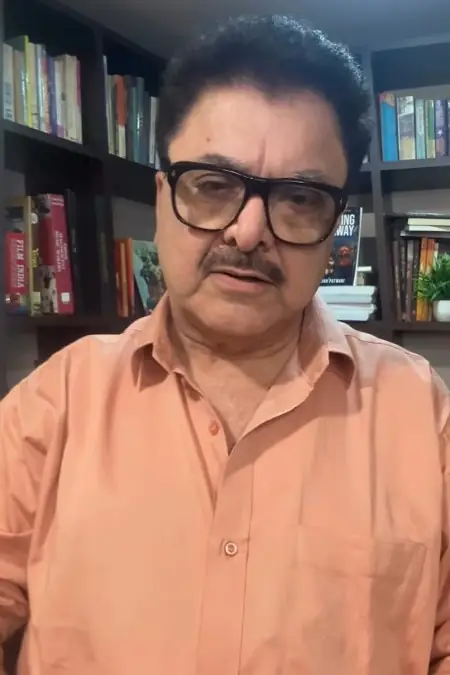
Srinagar’s Lal Chowk became the epicenter of controversy when anti-government protesters defiantly waved the Iranian flag, eliciting a fiery response from noted filmmaker and activist Ashok Pandit. In an Instagram tirade, he likened the scene to the 1990 Kashmiri Pandit mass exodus, imploring the Indian government for urgent measures.
Pandit dissected the persistent jihadist chants—from 90s demands for an Islamic state to the fresh ‘Kashmir Hezbollah’ rallying cries—warning of an enduring existential threat. He lambasted the overwhelming public turnout in violent rallies across Kashmir Valley and Ladakh, coupled with the political class’s damning inaction.
Labeling the flag incident a brazen power play, Pandit rallied against ‘these so-called demonstrators eroding our unity.’ As a direct witness to 90s ethnic purges, he advocated a pan-India strategy to neutralize such subversive forces and uphold homeland security.
‘From silence in the past to action today—we can’t stand idle,’ he proclaimed. The post has galvanized digital discourse, amplifying calls for accountability amid simmering volatility.
With history’s shadows looming large, Pandit’s intervention spotlights the imperative for resolute leadership. India’s response could define the trajectory of stability in this volatile frontier.