


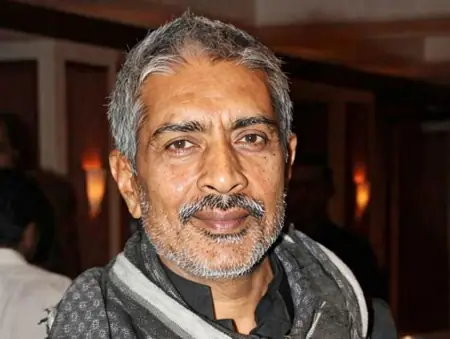
Award-winning director Prakash Jha commands respect for his gritty portrayals of corruption, governance, and human strife in Indian films. Less known is his original pursuit of painting, a dream that Mumbai transformed into a directing dynasty.
Born February 27, 1952, in Bihar’s West Champaran, Jha’s village roots fueled academic brilliance, leading to Delhi University’s science program. Art’s allure proved stronger; he quit to chase palettes in Mumbai.
As he built his artistic portfolio, a ‘Dharma’ film shoot encounter proved pivotal. Captivated by the industry’s pulse, he enrolled at Pune’s film school, arming himself with directorial basics despite an incomplete stint.
Poverty stalked him—starting with 300 rupees, enduring starvation and pavement beds. Documentaries offered redemption; National Award-winner ‘Face After the Storm’ spotlighted his talent.
Debut feature ‘Hip Hip Hurray’ (1984) paved the way, but ‘Damul’ on bonded slavery sealed his stature with awards. Powerhouses like ‘GangaJal’, ‘Apharan’, ‘Raajneeti’, and ‘Satyagraha’ dissected India’s moral quagmires.
Wed to actress Deepti Naval in 1985, they adopted Disha before parting after 17 years. Jha’s narrative—from brush strokes to blockbuster frames—celebrates fate’s bold reroutes.