


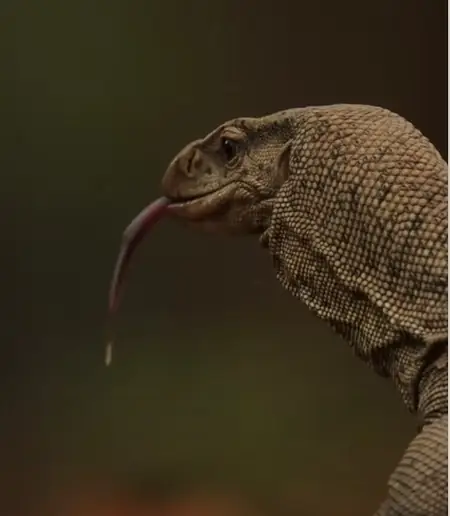
The monitor lizard, locally ‘goira’ or Bengal monitor, isn’t just any reptile—it’s an environmental superhero facing extinction’s shadow. This behemoth, with its flickering forked tongue emitting eerie hisses, navigates India’s landscapes from jungles to farmlands, oblivious to the dangers posed by human ignorance and greed.
Dispelling myths head-on: no venom lurks in its jaws. Deep punctures from bites may fester due to mouth bacteria accrued from feasting on decayed matter, rodents, reptiles, fish, and fowl. Juveniles target creepy-crawlies; adults prowl for heftier meals.
A sensory marvel, the tongue-air interface feeds data to vomeronasal organs, transforming it into a scent-tracking virtuoso. This skill maintains balance by devouring crop-raiding pests and venomous snakes alike.
Versatile dwellers, they haunt agricultural zones, water bodies, and settlements, digging nests for eggs. Peak monsoon activity reveals their adaptability, as seen in Dudhwa’s robust populations. Harmless to people, they venture indoors only for food, never aggression.
Poaching for skins and body parts violates the 1972 Act’s safeguards, yet persists amid fears. Biologists stress their pest-control supremacy—killing them invites agricultural chaos. Robust education and enforcement are vital to protect these unsung heroes of the wild.