


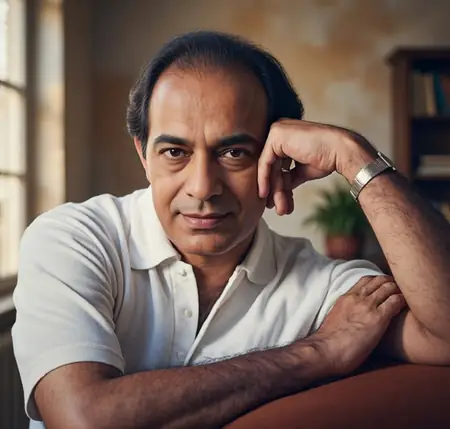
Bollywood’s musical tapestry owes much to trailblazers like Talat Mahmood, whose 1950s innovations continue to echo. Born February 24, 1924, in Lucknow, he infused films with ghazal’s refined melancholy, elevating simple songs into literary experiences.
A soft quiver defined his velvety voice, making listeners feel every nuance. Free of ostentation, his style emphasized clarity and emotion, pioneering ghazals as a film genre.
The decade sparkled with his masterpieces: ‘Shaam-e-Gham ki Kasam,’ ‘Jalte Hain Jiske Liye’ from Shree 420, and ‘Phir Wahi Shaam Wohi Gham.’ Rejecting the era’s vocal bravado, Talat’s gentle approach, Urdu mastery, and poetic flair captivated all.
Directors and composers followed suit, weaving more ghazal elements into scores. The public responded with fervor, embedding it in pop culture.
Talat’s versatility shone abroad, recording two Bengali numbers for a 1960 film from East Pakistan (now Bangladesh). His charm bridged cultures effortlessly.
In a fast-changing music scene, Talat Mahmood’s gifts remain a benchmark. He reshaped Bollywood’s soundscape, proving ghazals’ enduring screen magic.