


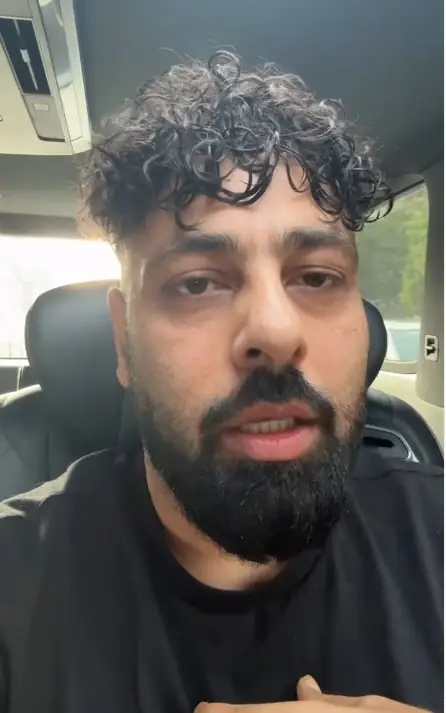
The ‘Tittari’ controversy has gripped headlines, with rapper Badshah tendering a tearful public apology for his March 1 release alongside Simran Jaglan. Critics slammed the Haryanvi hip-hop number’s lyrics and schoolgirl visuals as lewd and demeaning, igniting a firestorm on social media that questioned the song’s appropriateness.
In his Instagram message, Badshah confronted the issue head-on. ‘My new track ‘Tittari’—one section of its lyrics and visuals has pained many, notably my Haryanvi brothers and sisters,’ he confessed. Rooting his identity deeply, he affirmed, ‘Haryana shapes me entirely: my dialect, meals, living—I’m a proud Haryanvi.’
Contextualizing the genre, Badshah elaborated, ‘Hip-hop uses disses against foes, never against ladies or little ones. That’s not me. I’ve championed Haryanvi pride always.’ He wrapped up beseechingly: ‘Heartfelt sorry to all offended. Forgive this son of Haryana as your own.’
Legal repercussions followed suit. Summoned by the Haryana State Women’s Commission, Badshah faces a registered case at Panchkula’s cyber crime unit. YouTube removed the video, and police launched a lookout circular.
As tempers cool post-apology, the episode spotlights the tightrope artists walk in culturally rich genres. Supporters hail Badshah’s humility, while activists push for reforms. With probes ongoing, his career trajectory hangs in balance, signaling a pivotal moment for Haryanvi music’s evolution.