


Public outrage met swift governmental response in Andhra Pradesh, where Srikakulam Municipal Commissioner Kurma Rao was suspended Wednesday amid a deadly diarrhea surge. The crisis—one fatality, 54 hospitalizations—has ignited fury over civic health safeguards.
Municipal Principal Secretary Suresh Kumar’s directive pinned negligence on Rao for the outbreak’s unchecked momentum across city locales in recent days.
District chief Swapnil Dinkar Pundkar detailed the toll: 76 suspected victims, 54 in care, one death amid existing illnesses, two ventilator-dependent with expert oversight.
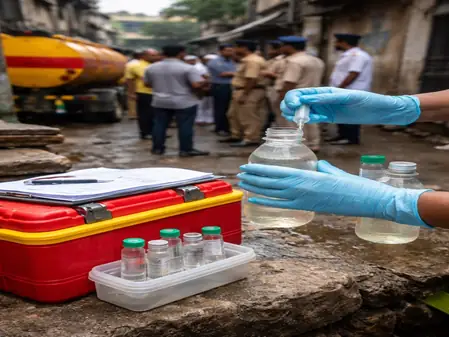
Source-tracing efforts involve water samples rushed to Srikakulam and Visakhapatnam labs; local prelims negative on contaminants, pending comprehensive external confirmation.
Health initiatives encompass area-specific clinics and state-covered private treatments, prioritizing recovery and prevention.
YSRCP stalwarts Dharmana Krishna Das, Dharmana Prasad Rao, and Dr. Seediri Appala Raju hit the streets, consoling families and probing realities. They indicted the government for tainted water enabling the scourge, inflating deaths to four and underscoring pervasive hospital burdens.
Dharmana Prasad Rao chronicled 61 cases over 20 months, implicating schools and hostels, as proof of dereliction. Compensation pleas hit Rs 25 lakh per family, plus urgent succor.
Dr. Raju blasted overlooked press cautions and casualty undercounts. Calls echoed for elite probes, official reckoning, and water purity overhauls.
Beyond immediate firefighting, this episode exposes deeper fissures in sanitation governance. Andhra’s leaders face mounting pressure to fortify systems against such vulnerabilities, ensuring no repeat of Srikakulam’s ordeal.