


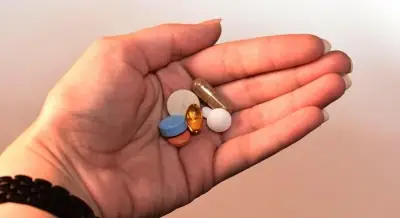
Hope dawns for women with premature ovarian insufficiency (POI) as researchers unveil finerenone’s dual life: a kidney and heart fibrosis blocker now poised to conquer ovarian infertility. Affecting those whose periods halt prematurely before 40, POI’s fibrosis chokes follicle development—until now.
Detailed in Tuesday’s Science e-edition, the Japan-Hong Kong collaboration from Juntendo University and beyond shows finerenone’s magic in clinical settings. Mice trials first dazzled with boosted, anomaly-free births; human subjects then yielded IVF-ready fertilized eggs when paired with stimulation therapies.
Professor Kazuhiro Kawamura, IVA’s 2013 inventor—a method harvesting, activating, and retransplanting ovarian tissue—pushed for non-surgical alternatives. Post-anesthesia-free screening of 1,300 drugs, finerenone stood tall as the oral powerhouse.
‘Optimizing ovarian stimulation demands superior drugs,’ Kawamura affirmed. This pivot from chronic disease management to fertility frontiers underscores medicine’s interconnectedness.
POI patients, long sidelined by limited options, now eye a future with accessible pills over operations. As trials scale, finerenone may redefine reproductive medicine, proving one drug’s reach extends far beyond its original intent and igniting new standards in women’s health.