


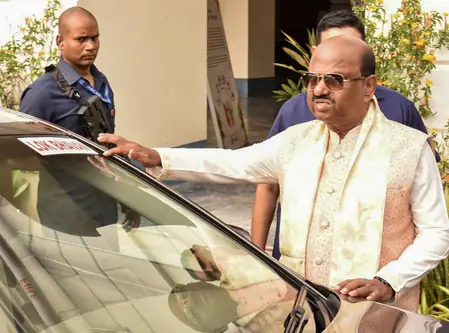
The resignation of West Bengal Governor C.V. Anand Bose has ignited a fresh row between the state and central governments. Submitting his resignation to President Droupadi Murmu, Bose’s departure—just days after ongoing administrative tussles—has Chief Minister Mamata Banerjee questioning the center’s role.
In an emotional X message, she shared, ‘I’m deeply shocked by the abrupt resignation of Governor C.V. Anand Bose. Reasons unknown, but pre-election pressure from the Union Home Minister seems plausible.’ Banerjee criticized the lack of consultation when informed of R.N. Ravi’s appointment, labeling it a violation of constitutional spirit and federal structure.
‘Embrace cooperative federalism; shun one-sided calls that undermine democracy and state respect,’ she implored. Having served over three years since 2022, Bose’s early exit—despite 1.5 years left—spotlights the strained governor-state relations, riddled with delays on key legislations and public spats.
This high-profile resignation underscores broader national debates on center-state dynamics under the BJP regime. TMC portrays it as vendetta politics, while others see strategic repositioning. As anticipation builds for official confirmations and Ravi’s induction, West Bengal remains a hotspot for political intrigue ahead of crucial electoral showdowns.