


Shock gripped Anwarpur village in Vaishali, Bihar, after a septic tank cleaning gone wrong killed four relatives and critically injured three. The chain of events at Shivji Sah’s residence exposes grave safety oversights in domestic waste management.
Initiated by 18-year-old Priyanshu Kumar entering the 15-foot pit built 10 years prior, the operation halted when his voice vanished post-15 minutes. His father Anand (46), uncles Pankaj and Rahul (24)—the latter freshly married—and three neighbors entered sequentially, each felled by toxic emissions.
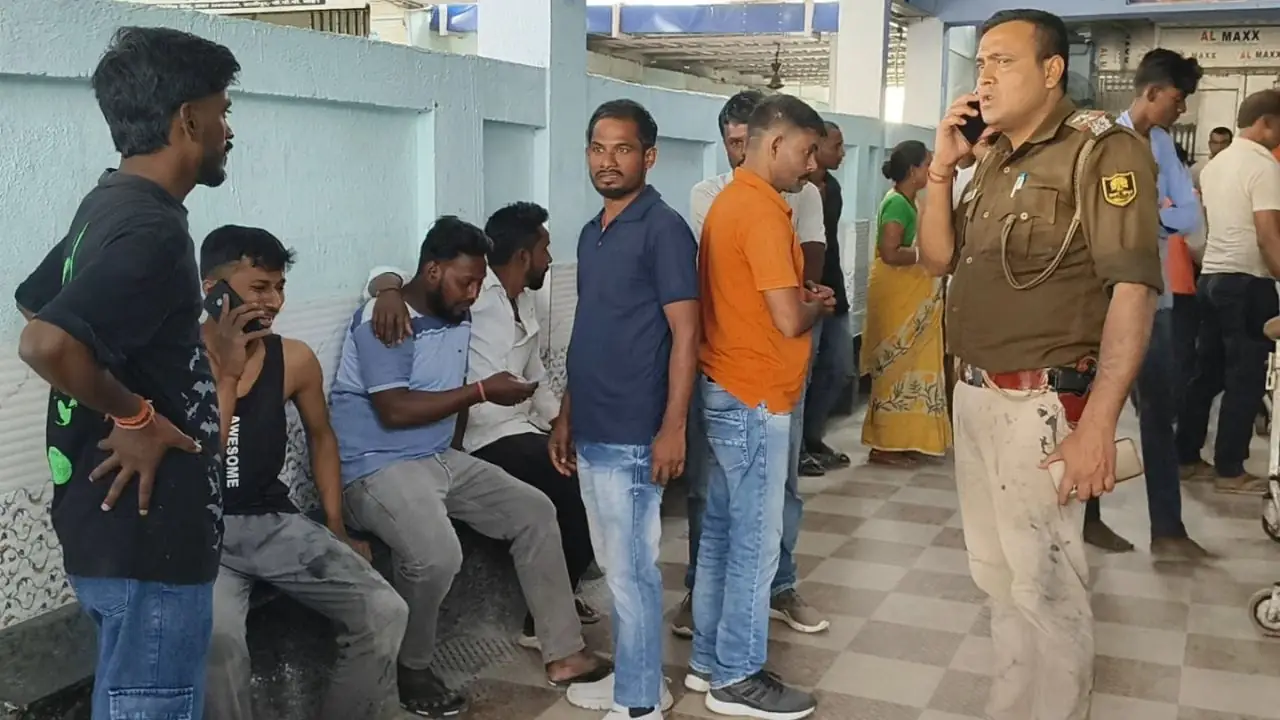
Prompt villager response summoned Sarai police and fire teams, who orchestrated a tense extraction using safety lines. Medical teams declared the four family members deceased upon arrival, with the others under intensive care.
Grief overwhelms the household, intensified by Rahul’s recent nuptials. Police investigations affirm deadly gas as culprit, with bodies sent for autopsy. This tragedy serves as a stark reminder: septic tanks harbor hydrogen sulfide and methane, demanding exhaust systems, masks, and experts. Community leaders vow enhanced training, as Bihar confronts recurring such fatalities.