


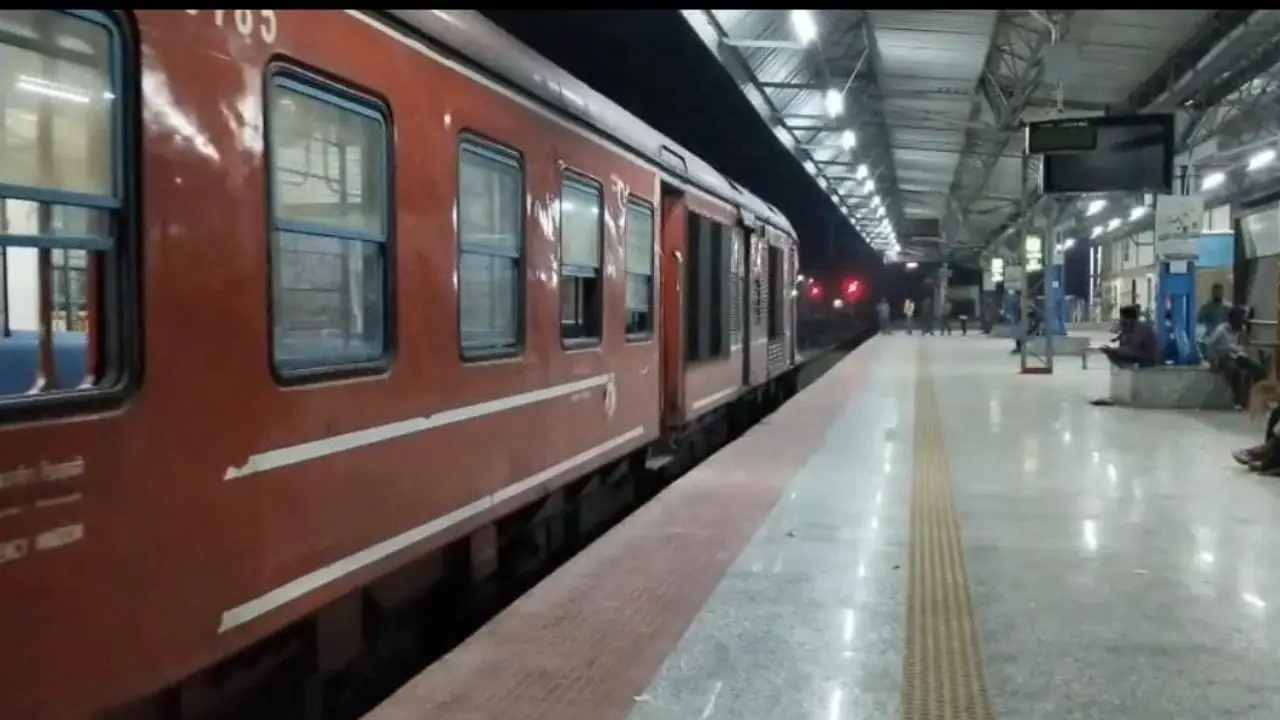
A loco pilot’s decision to end his shift precisely at nine hours triggered a major standoff at Thakurganj station, Bihar, immobilizing a DMU train and tormenting passengers for three full hours. The episode on the Malda-Siliguri route lays bare the tensions between rigid safety norms and real-world travel demands.
Daily commuter favorite 75719 departed Malda at 6:35 AM but arrived Thakurganj overdue by three hours, around 2:52 PM. Duty complete, the pilot halted the engine and exited, brushing off requests to cover the remaining stretch to Siliguri. ‘Duty over from Dalkhola signals,’ he stated flatly.
Stranded travelers—traders with goods, laborers, entire families—filled the coaches, their plans derailed. The blocked platform exacerbated delays across the station. Anger mounted as hours ticked by with scant communication from harried staff.
Relief trickled in piecemeal: some hitched rides on a following train, while the main service awaited a Siliguri-sourced replacement pilot. Resumption brought sighs of relief, but not before the incident fueled social media backlash.
Railway policy caps pilot duty at 9-10 hours for accident prevention, a hard-earned safeguard. Yet, the absence of an instant backup at Thakurganj amplified the problem. This mishap spotlights the need for bolstered crew pools and tech-driven scheduling to shield passengers from such operational hiccups.