


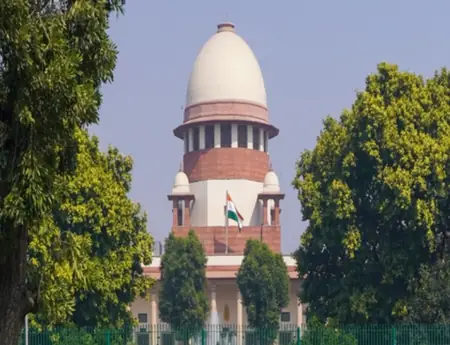
A decisive push from the Supreme Court: hearings on petitions opposing the Citizenship Amendment Act (CAA) are now slated to begin May 5, 2026. The apex court plans to address pan-India cases ahead of those tied to Assam and Tripura, tackling a massive docket of 237 pleas.
Under Chief Justice DY Chandrachud, the bench prioritized structure, allocating full days for petitioner submissions and permitting additional evidence. This follows Solicitor General Tushar Mehta’s reference to a 2020 categorization order, ensuring efficient handling of the diverse claims.
At its core, the 2019 CAA provides a citizenship pathway for persecuted non-Muslims from Pakistan, Bangladesh, and Afghanistan, excluding those of the Islamic faith. This exclusion has fueled claims of discrimination, with challengers arguing it flouts constitutional guarantees of equality and fraternity.
Post the central government’s rules notification on March 11, 2024, the petition count swelled. The long wait ends with this firm timeline, potentially culminating in a landmark judgment that could validate or void the law.
The stakes extend beyond legality to social harmony and policy direction. Protests in 2019 scarred the nation’s landscape, and today’s announcement rekindles that fervor. Stakeholders—from migrant communities to rights groups—eye 2026 as a turning point, where judicial wisdom will navigate the tightrope between compassion and equity in India’s citizenship framework.