


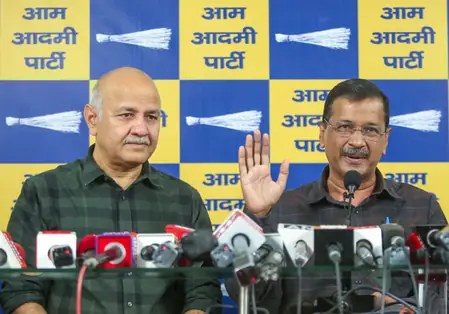
The Delhi High Court grappled with CBI’s urgent petition on Monday, challenging the clean chit given to AAP’s Arvind Kejriwal, Manish Sisodia, and 21 co-accused in the notorious excise policy fraud. Solicitor General Tushar Mehta delivered a compelling prosecution narrative rooted in forensic depth.
‘Prime among Delhi’s mega scams,’ Mehta boomed, unveiling a web of hawala-fueled bribes across installments. Witnesses, grilled under Section 164, chronicled the scheme’s blueprint—from conspiracy to cash distribution. Emails and chats provided unassailable corroboration.
Mehta decried the trial court’s post-10-day-argue verdict as flawed expediency. ‘Justice delayed is denied, but rushed is worse,’ he posited. Conspiratorial charges hinge on evidentiary mosaics, not overt confessions; the order naively demanded transparency in opacity.
Overlooked gems: hotel records, statements for trial, plus tampering proofs like 170 obliterated phones, ignored seizures, phone notes, and discounted approver declarations—legally potent for framing.
Freed after grueling jail stints on February 27, the leaders slammed BJP for weaponizing probes to topple AAP government. As arguments conclude, the court holds the key to whether evidence triumphs over acquittal, in a saga blending politics, policy, and prosecution.