


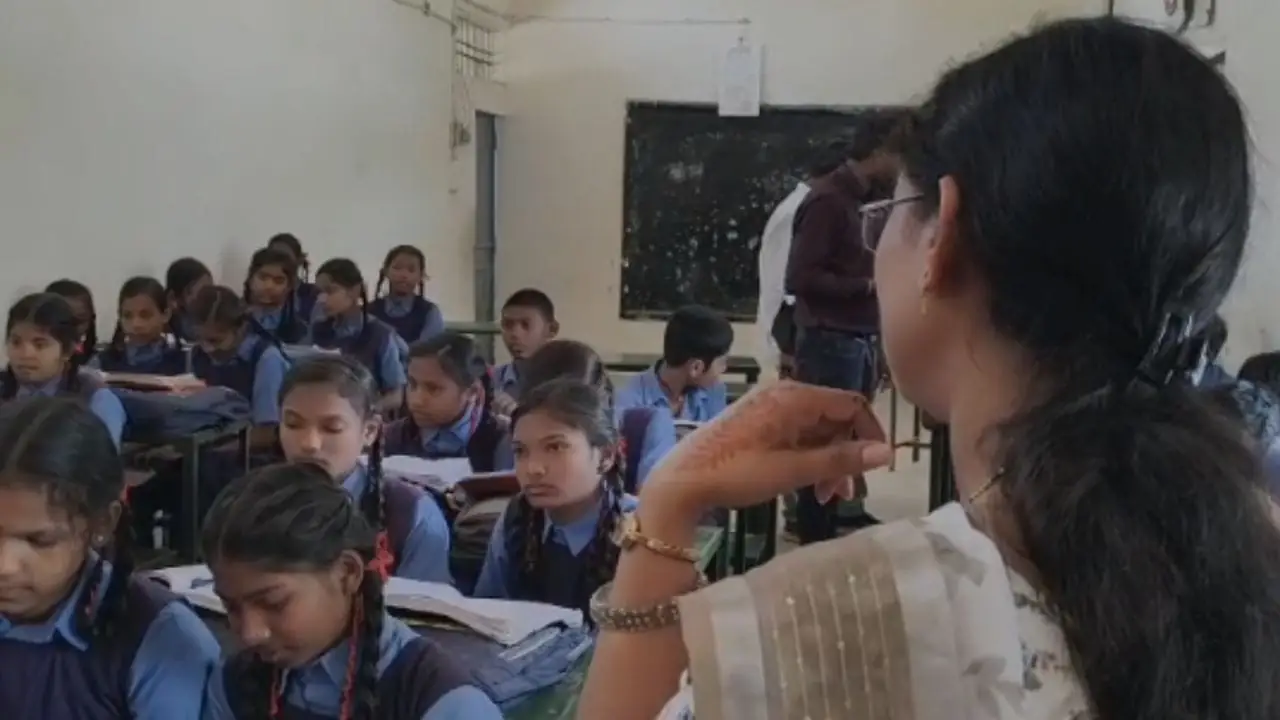
Unimaginable horror unfolded at a Dhamtari government school in Chhattisgarh, where 35 children inflicted razor-like cuts on their wrists in what authorities describe as a coordinated self-harm spree. The Dahadaha school’s principal now faces a disciplinary notice amid a frantic statewide response.
Punnet Ram Sahu, the school’s head, must justify the negligence claims after the district education officer’s directive. Parents’ worst fears materialized weeks ago when identical lesions appeared on their kids’ left forearms, courtesy of pointed tools.
Triggering the exposure was a vigilant parent’s detection of the wound on their offspring. The child’s reticence spurred a deeper school inquiry, unearthing the full scale: 35 peers similarly scarred.
Uproar prompted an immediate parent assembly by administrators, coupled with expert interventions. Medical, psychological, and educational teams converged, culminating in February 16 counseling marathons for victims and kin.
The enigma persists: what compulsion united these students in self-destruction? Theories swirl from social contagion to suppressed anguish, but facts elude grasp.
As dread lingers among families, pledges of rigorous penalties signal resolve. This calamity thrusts school safety into the spotlight, urging systemic reforms—proactive counseling, anti-bullying enforcements, and constant supervision. Chhattisgarh’s educators confront a pivotal moment to fortify defenses against the unseen threats imperiling youth.