


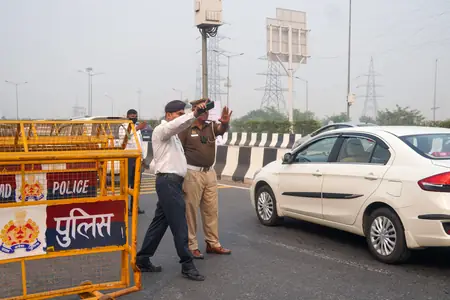
Holi’s exuberance in New Delhi on March 5 didn’t derail road safety, thanks to Delhi Traffic Police’s sweeping enforcement blitz. Special verification campaigns dotted the metropolis, with breath tests and vehicle stops enforcing compliance rigorously. The core target: eliminating drunk driving risks in the festival frenzy.
In total, 4,929 penalties were handed out, including 1,204 for operating vehicles under alcohol’s influence, detected at fortified checkpoints on vital routes. Additional CP Dinesh Gupta outlined the premeditated effort, featuring inter-departmental teams stationed at high-risk nodes.
Supplementary fines numbering 3,725 addressed ancillary violations, painting a full picture of regulatory adherence. ‘No grave incidents marred the celebrations due to our steadfast oversight,’ Gupta affirmed, attributing success to the coordinated push.
This triumph underscores the value of deterrence through visible policing. Gupta advocated for ongoing sensitization drives, empowering citizens to make prudent choices. Safe passage during Holi wasn’t luck—it was engineered through diligence.
As the city washed away colors, it also cleansed roads of recklessness. Delhi’s model of festival traffic control, blending technology like breath analyzers with human resolve, promises replicable safety across India’s urban landscapes.