


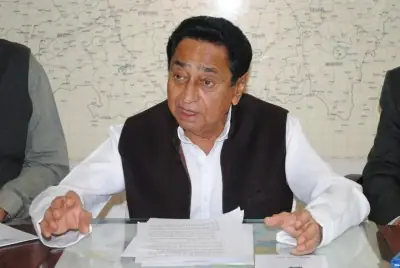
Tensions flared in Bhopal as Kamal Nath, Congress stalwart and ex-CM of Madhya Pradesh, demolished the 2026-27 state budget as ‘ajnaani’—ignorant—dismissing the BJP’s ‘gyaani’ label. His media briefing painted a dire portrait of debt-riddled governance under CM Mohan Yadav.
Nath laid bare the numbers: ₹5 lakh crore total debt, over ₹70,000 crore fresh loans this year, and a whopping ₹27,000 crore annual interest payout. ‘This budget ignores reality; it’s not knowledgeable, it’s foolish,’ he charged, branding the state as ‘India’s capital of deceit.’
The budget’s architects beg to differ. Presented amid assembly cheers, it embodies PM Modi’s ‘Gyaan Sankalp,’ now turbocharged with ‘I’ for industry and infrastructure. Priorities span poor welfare, youth skills and jobs, farmer income boosts, women empowerment, basic amenities, and investment magnets.
Yadav touted it as Madhya Pradesh’s forward march in knowledge-based progress. Yet Nath’s critique strikes at the heart: when debt eats half the pie, how do welfare dreams materialize?
Political stakes are high. Congress smells blood, positioning fiscal mismanagement as the government’s Achilles’ heel. BJP counters with vision over naysaying. As debates rage, Madhya Pradesh’s citizens grapple with promises versus precarious finances.
The budget’s true test lies ahead—in implementation and outcomes. Can it transcend rhetoric to deliver tangible gains, or will debt doom it? Nath’s salvo ensures the spotlight stays on accountability.