


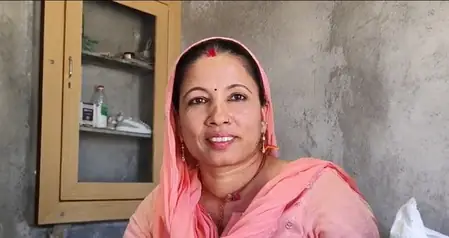
Pana Devi’s life in Aspalsar village, Rajasthan, is a masterclass in defiance. Orphaned by opportunity early—fifth-grade dropout, child bride at 12, mother at 15 amid poverty and disability—she clawed her way to graduation and business ownership, employing and educating women en masse.
NREGA fields were her harsh classroom, where physical limits met unyielding need. Yearning for clerical roles fueled her fire. Father’s aid post-marriage yielded eighth-grade certification, but no Anganwadi post. Rajivika’s 2016 intervention flipped the script: sahayika role, trainings, sewing startup, and exam victories—10th after retry, then 12th, graduation.
Promoted to NREGA mate, she pivoted to sanitary napkin venture with loans. Low-efficiency beginnings prompted intervention: Durga Dhaka convinced Collector Siddharth Siyaag for a superior machine. The unit now sustains 20 women.
Beyond enterprise, Pana champions learning—motivating 40, registering 13 for open boards. District-spanning Rajivika trainings have skilled hundreds for self-reliance. Honored by President Droupadi Murmu, she savors peak validation.
Struggle, she says, is now ally. Officials Priyanka Chaudhary and Manju hail her: grit guarantees glory. Pana’s legacy? Transformed lives, buzzing workshops, educated futures—proof that rural women, led right, conquer worlds.