


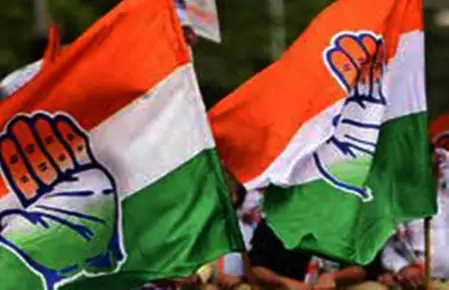
On February 17, Bhopal became the epicenter of a creative anti-inflation crusade as the Madhya Pradesh Mahila Congress unveiled its ‘Kitchen Parliament’ protest. This innovative rally outside the party headquarters vividly illustrated the erosion of purchasing power, with women activists embodying the plight of the average Indian household.
Guided by president Reena Borasi, participants erected symbolic kitchens featuring idle Ujjwala gas cylinders and price-laden placards for groceries. Seated around these setups, the women raised their voices in unison, decrying how essentials have slipped from affordable to aspirational.
Borasi’s address cut to the core: continuous price hikes have destabilized domestic economies. ‘National budgets flourish, but kitchen ledgers bleed red,’ she quipped. The Ujjwala initiative, she argued, has lost relevance as high refill prices render cylinders ornamental, compelling a return to outdated cooking methods.
She urged swift remedies: slash cylinder costs, enforce commodity price caps, and deliver relief to beleaguered families. Central to her message was the burden on women, who bear the brunt of budgetary shortfalls in feeding their kin.
The event concluded on a combative note, with pledges to replicate the Kitchen Parliament province-wide if reforms lag. This protest transcends mere demonstration, weaving economic critique with gender empowerment, and could galvanize broader public sentiment against perceived governmental neglect.