


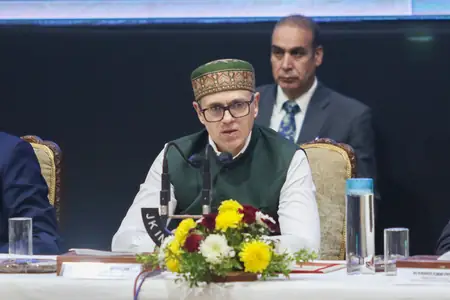
A stormy session unfolded in the Jammu and Kashmir Assembly where BJP opposition unleashed protests targeting Chief Minister Omar Abdullah’s purported unparliamentary barbs. The February 11 melee, spilling from prior day’s budget talks, saw lawmakers invade the central area, pressing for remorse.
Flashback to Tuesday: Amid finalizing views on the UT’s fiscal blueprint unveiled February 6, Abdullah’s utterances on BJP drew instant ire. Members clamored for withdrawal; he consented yet interruptions stifled completion.
Next day, BJP’s contingent—Sham Lal Sharma at forefront—exited during questions, re-entered post-session to decry CM’s departure, and formed a human chain of dissent with fiery slogans.
Speaker Rather’s gavel sought calm: Walkouts bar re-agitation; objections unlogged. He branded prior events lamentable, advocating CM’s return for rebuttal.
Sharma castigated the rhetoric as a nadir for J&K legislature, unfit for parliamentary norms. Probing the Leader’s retraction intent, he invoked conscience and pivoted to chair’s duty.
Ripostes emerged: Minister Itoo indicted BJP for invectives at Choudhary and deceit. The Deputy CM pitched expunction of all lapses bilaterally for fluidity—scorned by Sunil Sharma, who orchestrated a vocal retreat.
Insistent on abject apology, BJP signals protracted blockade. This linguistic imbroglio spotlights simmering animosities in coalition arithmetic, where procedural decorum often yields to partisan heat. With developmental priorities at stake, de-escalation remains imperative for legislative efficacy.