


Waves of mourning have swept Jammu and Kashmir after reports confirmed Ayatollah Ali Khamenei’s death from US and Israeli strikes. Since early March, Shia-led throngs have marched through key spots like Srinagar’s Lal Chowk, Badgam, and Baramulla, posters aloft, slogans thundering against imperial powers, and effigies of Trump and Netanyahu set ablaze.
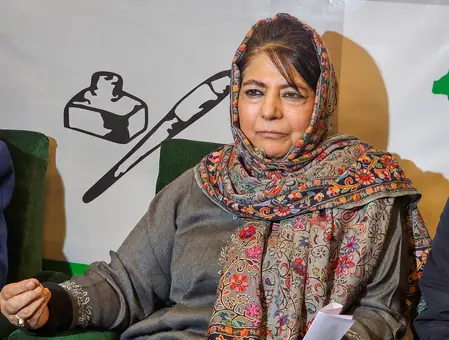
Police actions, including tear gas shells and cane charges, snagged several participants—women among them—in ostensibly peaceful vigils. PDP supremo Mehbooba Mufti, once the region’s chief minister, responded Saturday via X, pressing J&K Police for urgent releases. ‘Families were promised swift freedom after arrests for joining shahadat rallies, yet delays persist. Time to rectify,’ her message read.
Mufti previously decried the assaults as instability bombs and faulted India’s quiet stance. She underscored mourning as a core liberty, beseeching the DGP to manage with care and liberate the held without delay. Criminalizing calm dissent, she warned, erodes trust.
Amid this fervor, her appeal resonates, bridging local outrage with calls for measured policing. As the valley simmers, the response to such voices may define whether protests fade peacefully or intensify, impacting the fragile peace.