


Uttar Pradesh’s leadership stands unbowed, with Finance Minister Suresh Khanna nixing mosque loudspeaker requests for Ramzan. Bound by regulations, the state prioritizes impartial enforcement. ‘Law applies universally—no exceptions,’ Khanna affirmed, quelling hopes for leniency.
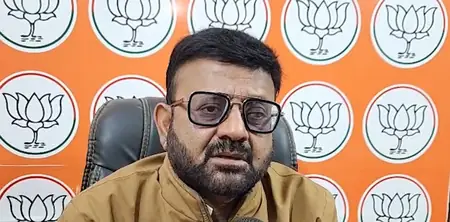
Aligning firmly, BJP leader Pratuls Shah Dev proclaimed the primacy of jurisprudence over religious customs. In a candid exchange, he noted, ‘Constitution first, then creed.’ Referencing SC restrictions on nighttime blaring, he opposed waivers, viewing them as erosive to legal sanctity.
Dev extended his advocacy to prohibiting traffic-choking street prayers on Juma and Eid. ‘Mosques suffice for worship; streets demand for ambulances and flow,’ he reasoned, spotlighting real-world hazards from unchecked gatherings.
Delving into Bengal’s electoral storm, Dev accused officials of purging fair voters to favor TMC, prompting SC oversight. Countering Banerjee’s narrative, he specified: ‘Infiltrators—Rohingya, Bangladeshi Muslims—face scrutiny as non-nationals. Their patronage hurts true citizens.’ The court’s distrust in local fairness amplifies these claims.
This UP blueprint challenges broader patterns, promoting disciplined public piety. Amid clashing rights, it fosters dialogue on equitable noise laws and voter sanctity, with implications rippling across India’s federal tapestry.