


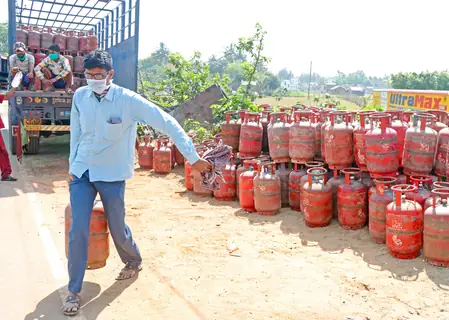
Thursday’s parliamentary session featured Petroleum Minister Hardeep Singh Puri’s confirmation of a robust 28 percent LPG production increase in five days, spurred by refinery orders, complemented by ongoing extra procurements.
Central to policy is gas security for 33 crore families, prioritizing the needy. Domestic pipelines are secure, with 2.5-day booking-to-door averages intact as before.
Hospitals and academia receive non-stop priority. Puri addressed anxiety-fueled distributor accumulations and bulk bookings, clarifying no underlying supply deficits.
DAC expansion to 90 percent from half uses mobile one-time codes for delivery authentication, streamlining against diversions. Urban bookings spaced 25 days, rural 45 days for equilibrium.
Monitoring intensifies via company personnel and anti-fraud cells at distribution points. Home Secretary’s state chief secretary meets foster statewide synergy.
Commercial controls combat hoarding for unsubsidized, open-market business purchases. Unregulated counters could enable illegal resale, hurting core users—hence structured, transparent allotments.
March 9’s executive director panel from IOCL, HPCL, BPCL engages stakeholders for need-based assessments. Effective today, 20 percent of average monthly commercial quota is reserved, thwarting misuse.
Alternative fuels gain traction to relieve LPG. Rs 913 non-subsidy price post-adjustment lags Rs 987 global rate; Rs 74 of Rs 134 hike self-borne by government, Ujjwala daily hit under 80 paise.
India prices beat Pakistan (Rs 1,046), Sri Lanka (Rs 1,242), Nepal (Rs 1,208). Rs 30,000 crore aid approved for oil marketers’ Rs 40,000 crore FY25 losses signals strong supply safeguards amid world price storms.