


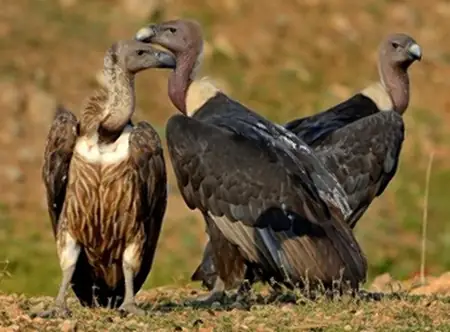
A tri-state alliance is set to soar into action with a comprehensive vulture enumeration in the Nilgiris Biosphere Reserve on March 7-8. Tamil Nadu, Kerala, and Karnataka officials will synchronize efforts across iconic reserves, assessing recovery in this biodiversity hotspot.
Hot on the heels of encouraging upticks—vulture counts jumping 70 birds last survey—and a pioneering core-zone nest in Mudumalai, focus sharpens on breeding trends. Eight prime Mudumalai locations join broader sweeps in Satyamangalam, Bandipur, Nagarhole, BRT, Wayanad, and Tirunelveli.
Rigorous methodology defines the drive: timed observations of flights and activities prevent overlaps, with nests on cliffs and trees tallied meticulously. Gear like GPS and cameras arms four-person squads led by experts, covering 4,670 sq km.
Tamil Nadu’s 157 sightings led prior results (Kerala 125, Karnataka 106), alongside 75 nests—54 in Mudumalai. The area nurtures seven local vulture types, from white-rumped stalwarts to transient Himalayan griffons, vital for ecological balance.
Threats persist, but the Nilgiris endures as a sanctuary, aiding migrants and breeders alike. This serial census, now in its fourth edition, equips policymakers with gold-standard data.
Conservationists hail the collaboration as a model, potentially accelerating bans on harmful drugs and habitat safeguards. Vultures, ecosystem engineers devouring carcasses to curb disease, deserve this scrutiny—outcomes may herald a renaissance for skies once darkened by their absence.