


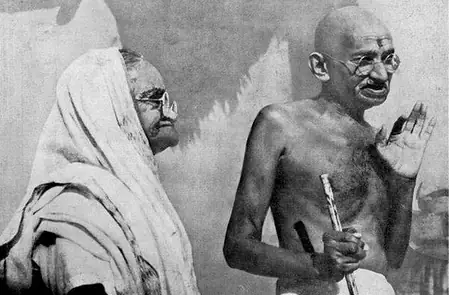
Beyond the Mahatma’s aura lies Kasturba Gandhi, a colossus whose mettle equaled his in dismantling empire. Dismissed as mere spouse? Wrong. From Porbandar birth on April 11, 1869, in trader opulence, to illiterate child marriage at 13, she navigated patriarchal tempests. Mohandas’ edicts clashed with her autonomy; her tranquil defiance in domestic spheres birthed satyagraha’s seed. Temple treks without nod taught Gandhi mutual respect.
South Africa’s 1897 call transformed her. Racial tyranny fueled action: plague-fighting in 1904 Johannesburg, ashram stewardship amid Gandhi’s chains, solidarity via spartan meals. 1913: spearheading satyagrahis over Transvaal, arrested despite debility.
Post-1914 India, ‘Ba’ reigned in ashrams, sage to satyagrahis. Champaran duality: his peasant push, her feminine uplift. Six years of Gandhi’s internment? Her nationwide tours preserved momentum. Borsad’s police savagery met her thundering rebuke in 1923.
Dandi orchestration—women’s mobilization, beachside law-breaking—jailed her boldly. Rajkot climaxed British terror: isolating the elderly icon, rivaling Gandhi’s menace per 1933 records. Her fast compelled concessions.
February 22, 1944, marked her exit, etching an indelible saga. Kasturba’s arc—from veiled bride to vanguard—illuminates women’s pivotal, often obscured, role in forging free India.