


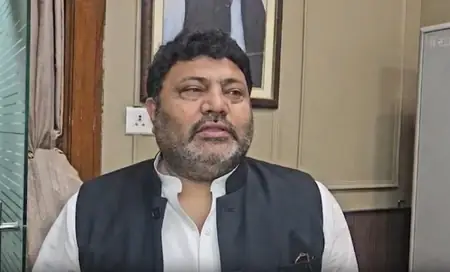
Tensions simmer in Uttar Pradesh politics following the state government’s firm no to loudspeaker use at mosques during Ramadan. Samajwadi Party heavyweight Kamal Akhtar has branded the move as proof of communal favoritism.
Raised in the assembly Thursday, the request for Sehri and Iftar broadcasts was quashed by Minister Suresh Kumar Khanna, leaning on Supreme Court noise regulations post-10 PM. Akhtar, speaking candidly, unpacked the implications.
‘Our pluralistic nation honors every festival,’ he emphasized. ‘Governments facilitate Hindu events extravagantly—Kanwar routes paved, Holi secured comprehensively. Why single out Ramadan, the month of spiritual discipline and communal harmony?’
Akhtar lamented the shift from prior supportive measures to rigid enforcement. ‘Loudspeakers were removed across sites, but exemptions abound elsewhere. I cited Ramleela precedents, yet got nothing. This hollows out “Sabka Saath, Sabka Vikas.”‘
The core issue: vital announcements for fasting rituals. As opposition mounts, the standoff reflects broader anxieties over equitable religious freedoms under judicial oversight.
With historical bans now rigorously applied, the government defends legal compliance. Yet voices like Akhtar’s demand recalibration for cultural sensitivities, urging a balanced approach in India’s secular tapestry.