


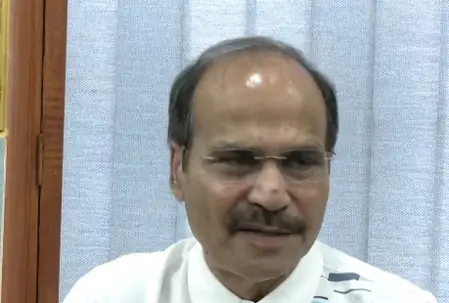
West Bengal’s electoral calendar faces a potential derailment after Congress MP Adhir Ranjan Chowdhury formally requested the Election Commission to scrap or suspend upcoming assembly elections. The trigger: a massive backlog of 60 lakh voter cases stuck in ‘under adjudication’ status.
In a pointed media interaction, Chowdhury underscored the gravity. ‘Voting is a legal right, enshrined in law. Yet, millions are sidelined without recourse. Elections can’t move forward under these shadows,’ he declared. His letter to the ECI seeks a complete resolution before any polling dates are set.
Chowdhury’s critique extends to broader governance failures, particularly infiltration concerns flagged by Union Home Minister Amit Shah. ‘We’ve heard this for decades—pre-election panic over outsiders, post-election silence. This hypocrisy undermines poll credibility,’ he charged.
Framing his demand not as disruption but as democratic necessity, he contrasted it with boycott rhetoric. ‘The ECI must step up; people’s rights can’t be collateral damage,’ Chowdhury stated. Amid frenzied party activities, his intervention spotlights systemic vulnerabilities.
As Bengal’s political cauldron simmers, this challenge tests institutional resilience. A delayed election could alter power dynamics, forcing all contenders to recalibrate. The Commission’s decision will define not just Bengal’s future, but the robustness of India’s electoral framework.