


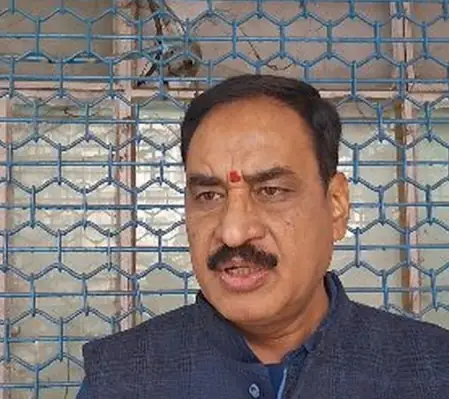
Disruption at the India AI Summit by Youth Congress members sparked a political firestorm, with VHP national spokesperson Vinod Bansal condemning it as emblematic of the party’s deep-seated ‘anti-India’ bias. He insisted on swift apologies from Congress tops and rigorous enforcement of stringent laws like RASUKA.
Bansal portrayed the event as a damning indictment, with protesters unwittingly broadcasting their party’s pernicious ideology. He fiercely rejected comparisons to Bhagat Singh by some Congress voices, calling it a grotesque mockery of patriotism. ‘Political opposition must not morph into national sabotage,’ he cautioned.
Venturing further, Bansal indicted Congress for fostering infiltration, an entrenched issue likened to termites devouring the nation. He spotlighted Northeast and Bengal frontiers, where Bangladeshi jihadists have irrevocably changed demographics and cultures in Assam and beyond. Dismissing opposition as jihadist orchestration, he lauded the government’s commitment to identification, removal, and expulsion of threats.
Congress MP Pramod Tiwari, meanwhile, railed against the bilateral trade deal with the US, decrying imposed tariffs as opportunistic. He suggested America preyed on PM Modi’s concessions, citing Trump’s threats tying commerce to halting India-Pakistan ops like Sindoor. Tiwari advocated for Indian farmers, burdened by modest farms against US mega-holdings, foreseeing agricultural collapse under such lopsided terms.
From AI innovation hubs to border vulnerabilities and global commerce, this saga encapsulates India’s polarized discourse, where every platform becomes a arena for clashing visions of progress and security.