

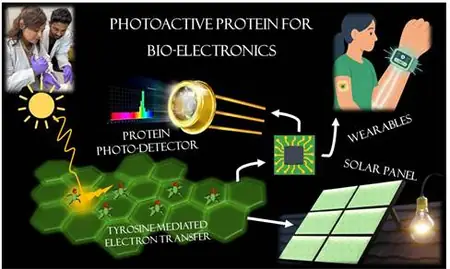
Move over silicon – a humble natural protein is stealing the spotlight in electronics research. Discovered by a global consortium, this bio-conductor could slash the carbon footprint of gadgets while boosting performance.
What makes it special? The protein’s folded structure creates efficient electron highways, rivaling graphene in some metrics. Derived from extremophile microbes thriving in harsh environments, it withstands heat and moisture better than expected.
Researchers stumbled upon it while probing nature’s conductors for green alternatives. Electrochemical assays confirmed: it powers tiny circuits with 90% efficiency, a boon for energy-hungry IoT devices.
The ripple effects are massive. From rollable displays to biodegradable drones, this protein enables designs impossible with brittle synthetics. Biotech firms eye it for neural prosthetics that integrate flawlessly.
Scaling remains the bottleneck. Fermentation tech must ramp up output, and stability tweaks are needed for real-world deployment. Funding pours in, signaling market confidence.
Ultimately, this protein embodies a paradigm shift. It proves that the most advanced materials might come from life’s quiet laboratories, not high-tech factories. Electronics’ sustainable tomorrow starts with a single strand of protein genius.