


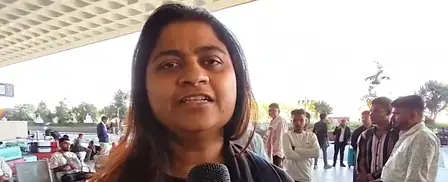
Mumbai Airport transformed into a scene of frustration as West Asia’s brewing crisis – triggered by US-Israel assaults on Iran – led to mass flight disruptions. The latest casualties: India’s ice hockey national team, unable to depart for the European Championship in Germany.
Team members, packed and ready, faced the crushing news of cancellation. One player from Karnataka voiced the collective dismay: ‘We are India’s squad for the European Ice Hockey Championship. En route to the event, our flight was suddenly scrapped due to wartime conditions. The pain of missing this long-awaited shot is immense.’
The backstory reveals Herculean efforts over two years of preparation. A team member’s mother elaborated, ‘He and his mates were Germany-bound to showcase India in ice hockey. Daily practices stretched to 11 PM, all for that moment to raise our nation’s flag. Now, with flights canceled amid war, disappointment engulfs players, parents, and coaches.’
In response, airport teams are bolstering collaborations, and airlines are disseminating rescheduling guidance. Still, the ripple effects of regional hostilities cast a long shadow on international itineraries, breeding widespread anxiety.
This Mumbai stranding spotlights vulnerability in our interconnected world. The ice hockey team’s interrupted odyssey not only delays athletic ambitions but also spotlights how distant conflicts infiltrate personal narratives, forcing recalibrations on the ground.