


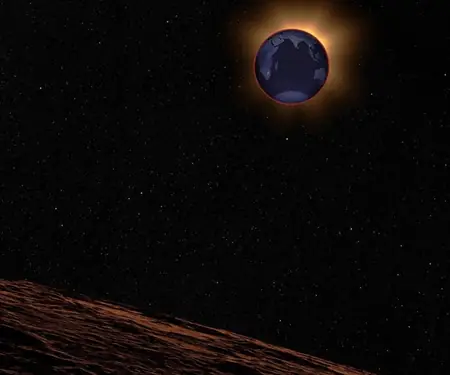
Get ready for the Blood Moon on March 3, 2026, a total lunar eclipse kicking off the year’s celestial highlights. Earth slots between Sun and Moon, its umbra swallowing the lunar disk in a ritual as old as time.
Eclipses grace full moons selectively, thanks to orbital geometry, happening 4-7 times annually. Naked-eye friendly and hemisphere-spanning, they’re nature’s blockbuster.
The ‘blood’ arises from atmospheric scattering: red light prevails, mimicking a global sunset projected lunar-ward. Hazy air intensifies the drama.
A partial eclipse follows on August 28.
Types unpacked:
Total (Blood Moon): Full shadow immersion, hours of crimson glory.
Partial: Shadow bites halfway, asymmetric allure.
Penumbral: Outer shadow graze, ghostly fade.
Each eclipse varies by conditions—clear skies for subtlety, turbid for vividness. As shadows play, they evoke awe and ancient myths. Time your watch, bundle up, and witness this symphony of spheres. It’s astronomy democratized.