


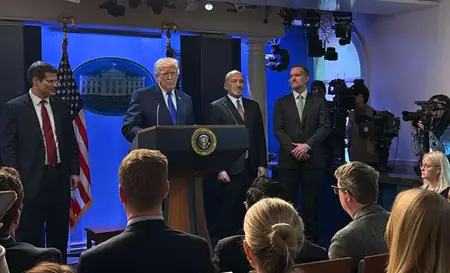
Fresh off a Supreme Court rebuff, President Donald Trump pulled Section 122 from the Trade Act of 1974 playbook, rolling out 10% tariffs on key imports effective February 24. Limited to 150 days, the levies combat what the administration deems a severe balance-of-payments crunch fueling America’s trade woes.
A White House explainer details the power’s scope: presidents can enact temporary import surcharges to curb dollar drains from excessive foreign buying. With US factories lagging consumer demand, imports siphon wealth abroad, the fact sheet argues, necessitating this rare intervention.
Exemptions are thoughtfully calibrated: vital minerals and metals, energy resources, natural assets, fertilizers, certain crops, medical supplies, tech gear, cars, and beyond. This precision strikes at deficit drivers without kneecapping growth sectors.
Trump simultaneously ordered Section 301 scrutiny of overseas policies deemed unfair—burdensome rules hobbling US competitiveness. Together, these steps signal an all-out trade defense strategy.
Unlike cumbersome alternatives, Section 122 demands no upfront investigation, offering president agility in crises. Tariffs sunset after five months unless lawmakers intervene, but savvy observers foresee extensions via serial emergency edicts.
Rooted in 1970s economics, this tool’s resurrection amplifies Trump’s ‘America First’ ethos amid superpower rivalries. Implications ripple worldwide: higher costs for consumers, friction with allies, potential booms for domestic producers. As the countdown begins, analysts debate if Section 122 ushers enduring reform or fleeting skirmish in the trade wars saga.