


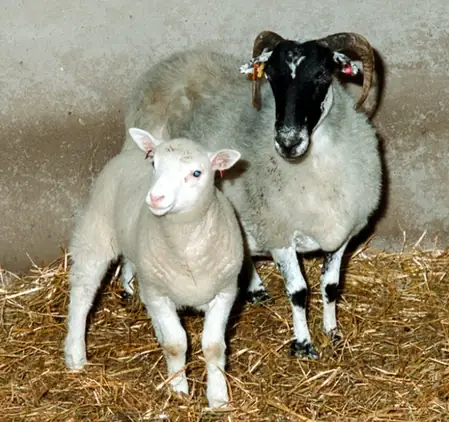
Sheep have long symbolized innocence, but Dolly the sheep became an icon of audacious science. Cloned at Scotland’s Roslin Institute and announced globally on February 22, 1997, Dolly’s July 1996 birth from an adult udder cell heralded a new epoch in genetics.
The SCNT method was elegantly simple yet profoundly complex. Nucleus from a quiescent somatic cell fused with an enucleated ovum; osmotic shock and growth factors coaxed division. Surviving embryos gestated in surrogates produced Dolly, mirroring her progenitor’s white face and pink nose.
Dolly falsified the irreversibility of cell fate, proving totipotency lurks in differentiated genomes. This catalyzed a biotech boom: cloned pets like CopyCat, endangered species proxies, and embryonic stem cell therapies for Parkinson’s and diabetes.
Controversy erupted immediately. Supporters hailed medical miracles; opponents invoked slippery slopes to eugenics. Dolly starred in headlines, parliamentary inquiries, and even art exhibits questioning clones’ souls. Cloning bans proliferated, yet research pivoted to somatic cell therapies.
Her premature death at 6.5 years from ovine pulmonary adenocarcinoma raised red flags on clone robustness—short telomeres suggested accelerated aging. But telomere extension in later clones and Dolly’s healthy progeny indicate surmountable hurdles. Enduring as a catalyst, Dolly inspires ongoing quests in regenerative medicine, where her single cell ignited boundless hope.