


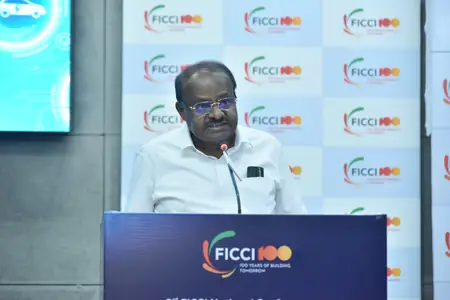
Heavy Industries and Steel Minister H.D. Kumaraswamy painted an optimistic picture for India’s electric mobility sector, predicting its rise as a global manufacturing and innovation leader. At New Delhi’s FICCI National Conference on Electric Vehicles, he called for policy clarity and industry partnerships to realize this potential.
In candid remarks to the press, Kumaraswamy pledged adoption of superior methods to promote EVs. Aligning with ‘Developed India 2047,’ he positioned electric mobility at the heart of ‘Make in India’ to strengthen local production, boost localization, and crown India as the world’s EV, battery, and component manufacturing capital.
He cited impressive figures: India’s auto exports climbing from $8 billion to $16.9 billion in a decade, reflecting deeper global value chain embedding and trusted manufacturing status.
Amitabh Kant warned of supply chain overhauls amid trade localization trends, urging India to lock in its EV manufacturing edge. The former G20 Sherpa termed EV transition not merely environmental but a golden opportunity across economic, industrial, technological, and strategic fronts—key to 2047 goals.
FICCI’s Vikram Handa showcased ‘Green Mobility 2.0’ as India’s end-to-end ecosystem: processing critical minerals, building cells and packs, manufacturing all vehicle types, and deploying chargers. This reflects visionary industry alignment and vast opportunities ahead.
India’s trajectory—from export surges to expert endorsements—heralds a new era in sustainable transport, poised to generate employment, spur R&D, and anchor global EV supply.