


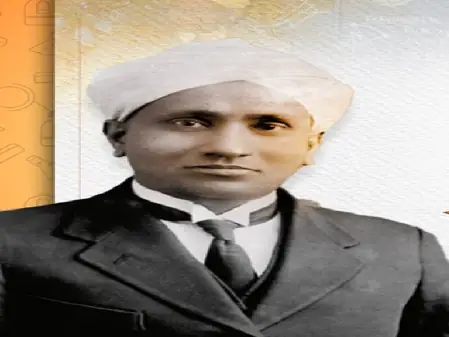
Sir C.V. Raman’s Raman Effect, spotted 28 February 1928, reshaped optics and bagged Physics Nobel 1930. National Science Day celebrates this, spotlighting light’s quirky molecular dance.
When photons meet molecules, most bounce elastically. But some exchange energy: absorbing vibrations lengthens wavelengths (Stokes shift), emitting shortens them (anti-Stokes). This spectrum graphs a substance’s inner workings.
Raman’s eureka moment? Himalayan ice glittering blue, later lab-tested with spectrographs. Amid colonial constraints, his Indian lab birthed global science.
Today, handheld Raman scanners authenticate art, fight counterfeits, and diagnose diseases on-site. Nanotechnology, forensics, heritage conservation—all owe debts.
The 2026 edition’s theme, ‘Women in Science: Catalysts for Developed India,’ drives discussions via workshops, webinars, and exhibits pan-India. It honors pioneers advancing fields Raman pioneered.
Beyond theory, Raman Effect symbolizes self-reliant innovation. As India eyes Viksit Bharat, it calls everyone—especially women—to wield science for progress.