


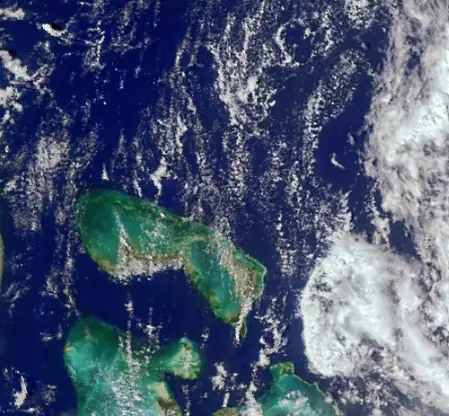
Oceans aren’t one-note blue—they dazzle in greens, yellows, reds, captivating sailors and scientists alike. These transformations arise from sunlight dancing with seawater’s hidden ingredients, unveiling ecosystem stories NASA has meticulously charted.
Fundamentally, water favors blue wavelengths, scattering them skyward in pristine depths. Phytoplankton intervene with chlorophyll, greening waters where nutrients fuel blooms. Vibrant green signals thriving food chains; stark blue, oceanic voids.
Anomalies intrigue: yellow from clay particles or organics, red from specialized algae. Such shifts betray river inflows, storms, or harmful proliferations that choke life and taint shores. Satellites decode these cues, alerting authorities to brewing crises.
Benefits ripple wide. Color metrics audit water purity, boost fishing yields, secure seafood safety. NOAA’s ocean color suite, drawn from NASA and partners, supports global vigilance on quality and productivity.
NASA’s PACE mission, soaring since February 2024, elevates precision. Its hyperspectral eye captures fine light details, profiling plankton clans, tracking aerosols, probing cloud-sea dialogues. Public datasets now expose health metrics, climate signals, air purity links.
With NOAA, PACE forges tools for ecosystem health, predictive modeling, crisis response. It aids disaster prep, resource allocation, health safeguards. Facing warming waters and erratic weather, these spectral revelations equip humanity to nurture oceans, ensuring their colors endure for generations.