


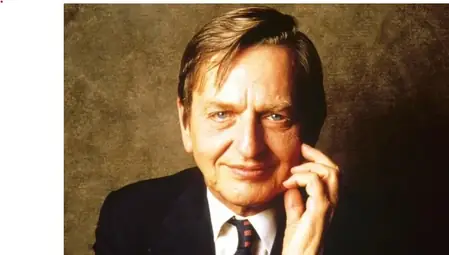
Defenseless on Stockholm’s streets, Sweden’s PM Olof Palme became a victim of violence that scarred a nation. Rejecting bodyguards, he embodied trust – until a assassin’s bullet proved it fatal.
The fateful evening: Palme exits Grand Cinema with Lisbet post-movie, around 11:20 PM on February 28, 1986. Walking arm-in-arm amid passersby, they presented easy targets. A shadowy figure fired from 2-3 meters. The first shot killed Palme outright; the second wounded his wife.
Palme’s career defined progressive leadership. PM stints bookended his tenure; internationally, he was Vietnam critic, apartheid foe, peace advocate. His rhetoric inspired movements but invited threats from superpowers and extremists.
National paralysis followed. Vigils, strikes, a funeral attended by 7,000 in church, millions lining routes. The inquiry, Operation Palme, interviewed 10,000, chased leads from IRA to Iran. Pettersson embodied early hope, dashed by appeals court.
Decades later, 2020 brought closure of sorts: Stig Engström, graphic artist at nearby Scandia, fingered as killer. Inconsistent alibis, evidence mishandling, perfect physical match – yet his suicide in 2000 precluded charges. Prosecutors shelved it definitively.
The event reshaped Sweden: security overhauled, societal trust tested. Palme’s ideals – equality, candor – endure amid the tragedy, prompting reflection on vulnerability in open societies.