


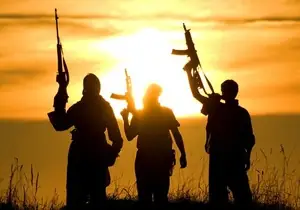
Separatist fervor gripped Pakistan as the Baloch Republican Guards (BRG) demolished a section of the vital Sui-Karachi gas pipeline with explosives on March 11. Located near Sindh’s Kashmore, the 36-inch pipeline—essential for channeling Balochistan’s natural gas to Karachi—was left in tatters, worsening the country’s fuel affordability crisis.
Dastain Baloch, BRG mouthpiece, justified the strike as resistance to resource exploitation, promising sustained pressure on such targets. The blast’s fallout threatens prolonged disruptions, hitting industries and consumers hard.
Adding to the chaos, Balochistan Liberation Front (BLF) fighters launched devastating raids on army positions in Tump starting March 8. Major Gwahram Baloch described encircling the Apsi Khan-Shapchar checkpoint with superior firepower: mortars, snipers, rockets, machine guns, and grenades.
The fierce engagement claimed six lives initially, demolishing defenses and injuring dozens. Momentum carried to adjacent sites, downing five more soldiers. A Pakistani quadcopter drone fell to ground fire during reconnaissance.
Fatal error for rescuers: advancing between Abdui and Shapchar triggered a deadly IED, vaporizing a vehicle and four troops. BLF capped the spree by firebombing two gas tankers near Turbat’s Josak Buleda Cross on March 9, aimed at Punjab factories.
This wave of militancy underscores Baloch demands for fair resource distribution. Pakistan’s response will be pivotal, as energy vulnerabilities expose deeper fault lines in the province’s bid for self-determination.