


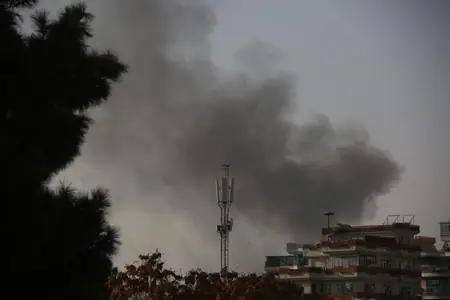
Pakistan’s military response to surging terrorism crossed into Afghanistan with airstrikes dismantling militant camps along the shared frontier. What Islamabad hails as a success against threats, Kabul labels a massacre of non-combatants.
Afghan Taliban spokesman Zabihullah Mujahid highlighted the strikes’ toll in Nangarhar and Paktika: ‘Bombs rained on our people last night—dozens slain, many hurt, women and children included.’ Residential devastation draws sharp condemnation.
Pakistan’s narrative differs sharply. Minister Attaullah Tarar touted the operation’s precision on X, noting seven sites of Pakistani Taliban activity and an Islamic State cell linked to the deadly Islamabad mosque bombing that felled 31 and injured 157—the capital’s bloodiest since Marriott 2008.
The armed forces voiced exasperation at Afghanistan’s lax border control. ‘We’ve implored the Taliban to block terrorists and proxies from staging Pakistan assaults—empty promises persist,’ per their release. Stability pursuits yield to citizen protection imperatives.
Strains trace to the 2021 Afghan upheaval, exacerbated by firefights and haven disputes. Islamabad decries militant havens across the line; the Taliban refutes involvement.
Amid rising rhetoric, de-escalation appeals intensify to safeguard the fractious neighborhood.