


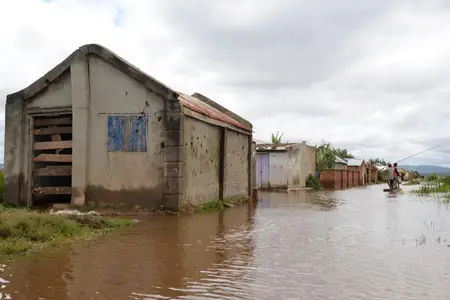
The human tragedy unleashed by Cyclone Gajaani in Madagascar deepens, with fatalities now at 59 and injuries surpassing 800. Monday’s report from the National Risk and Disaster Management Office paints a picture of unrelenting hardship across vast swathes of the country.
Over 420,000 lives hang in the balance in 25 districts from five regions in the east and center, where 49,000 homes bear scars of damage and 25,000 lie in rubble. Aid workers press on with assessments and distributions, navigating flooded terrains to reach isolated families.
February 11 marked the declaration of a national disaster state, prompted by deaths, displacements, and catastrophic blows to infrastructure and incomes. Exacerbated by the recent Cyclone Fitia and torrential rains, Gajaani’s deluge has triggered biblical floods and stifled economic activity.
The UN’s OCHA highlighted a $3 million infusion from the Central Emergency Response Fund, set to benefit 90,000 souls, complemented by donor funds fueling rice distributions of 800 metric tons. Reports tally 250,000 affected, 7,000 displaced, 65,000 homes compromised, and 600 schoolrooms uninhabitable.
Government coordination with UN and NGO partners drives search, shelter, and sustenance initiatives, amid pleas for more global aid. Madagascar’s fight against Gajaani underscores the urgent need for robust disaster preparedness in cyclone-prone regions worldwide.