


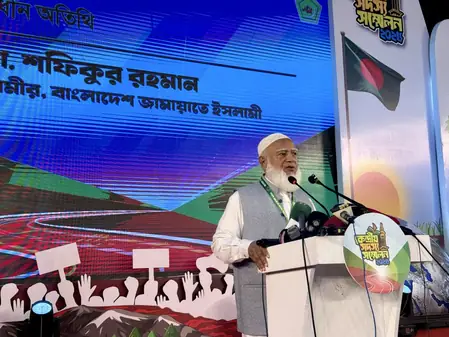
Bangladesh’s 13th national elections delivered a bittersweet outcome for Jamaat-e-Islami: runner-up in votes, yet sidelined in parliament. This disconnect traces to the party’s origins, militant history, and unhealed wounds from the liberation struggle.
Born under Maulana Maududi’s guidance amid India’s freedom movement, Jamaat sought Islamic supremacy over nationalism. Post-1947, in Pakistan, it pursued this via sermons, politics, and confrontation. Its youth brigade, Islami Jamiat-e-Talaba, terrorized academia with a playbook of violence—capturing polling stations, abducting opponents, and silencing dissent through killings.
The 1971 crisis defined its infamy. Bengali nationalists clashed with West Pakistan; Jamaat chose allegiance to the oppressors, forming auxiliary forces accused of heinous crimes. Post-war Bangladesh vilified it, banning operations and later prosecuting leaders for genocide complicity.
Legalized conditionally in later years, Jamaat entered coalitions but never shed its hardline image. Its advocacy for Sharia courts and moral policing alienates women, minorities, and moderates in a nation leaning toward development and secularism.
Poll data reveals tactical votes against the ruling Awami League, not ideological fervor. To ascend, Jamaat needs profound change: historical atonement, inclusive policies, and ditching extremism. With global Islamophobia and local memory alive, its journey from margins to mainstream hinges on reinvention. Elections prove: numbers impress, but trust endures.