


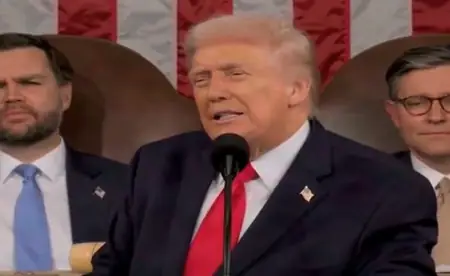
America’s corridors of power reverberate with discord over Iran policy. Republicans stand firm with President Trump, as Senate leader John Thune voices robust support on Fox News. He highlights Trump’s dedication to secure highways, financial relief for citizens, and fresh prospects in a competitive world.
On the international front, Thune credits Trump with fortifying defenses for key regional interests. Rejecting a nuclear Iran outright—per Trump’s speech—he senses majority American backing. Employing strength for peace, the U.S. readies appropriately, ideally averting use through potential Iranian concessions at the table.
Opposition mounts from House Democrats, vowing a plenary vote on the Khanna-Massey resolution upon return. This bipartisan bill compels congressional briefings for any force against Iran. ‘Unconstitutional without us,’ they assert, compelling recorded votes on unauthorized warfare.
Chuck Schumer, Senate Democratic head, seeks specifics amid U.S.-Iran Geneva parleys. He faults absent strategy and candor needed to check nuclear advances, demanding the transparency owed to voters.
Bipartisan ire targets Tehran’s tactics too: Rosen and McCormick’s act confronts internet censorship and protest violence. Rosen insists Iranians, not tyrants, forge their destiny with unfettered info access. McCormick bolsters it as principled support versus a crumbling autocracy.
GOP’s hawkish unity clashes with Dems’ restraint, exposing foreign policy fractures. Congress’s pending actions may pivot the Iran impasse dramatically.