


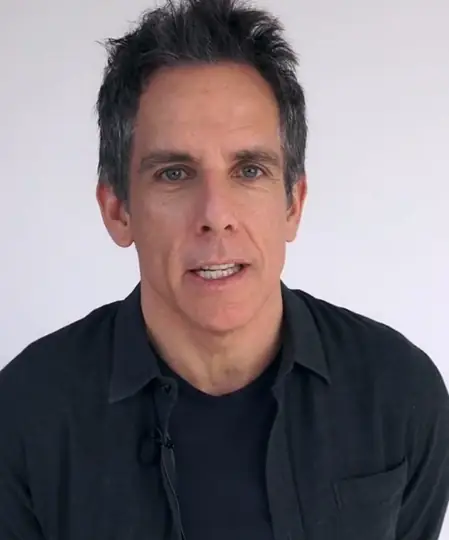
The feud between Hollywood and the White House escalated dramatically as Ben Stiller publicly shamed the administration for featuring Tropic Thunder footage in a social media blitz. At 60, the versatile actor and director used X to troll the official account, demanding removal and rejecting any association with perceived propaganda.
The offending post was a slick edit mashing up cinematic spectacles: Top Gun’s aerial thrills, Superman’s triumphs, Transformers’ chaos, Breaking Bad’s edge, Iron Man’s tech wizardry, and Tropic Thunder’s absurd humor, all synced to U.S. military highlights. ‘Justice the American way’ proclaimed the caption, but Stiller saw red: ‘Please take down the Tropic Thunder clip. No license given, no interest in your propaganda. War isn’t entertainment.’
This outburst joins a chorus of dissent from artists like Celine Dion, Bruce Springsteen, Linkin Park, Neil Young, Olivia, and Radiohead, all irked by unsolicited borrowings. Kesha’s recent clash was particularly vivid—her song ‘Blow’ pulsing under fighter jet missile launches. Her Instagram condemnation rang clear: ‘War lightly taken is inhumane.’
Enter White House Communications Director Steven, who turned the tables on X: ‘Singers falling into the publicity trap—thanks for the views.’ It’s a calculated move, leveraging outrage for engagement.
Echoing prior scandals, like the Trump team’s immigration enforcement montage, these incidents expose fault lines in media ethics. Stiller’s satirical roots make his critique especially poignant, challenging the administration to respect boundaries. As reactions pour in, this could redefine how governments engage with pop culture, balancing patriotism with permission in a content-saturated world.